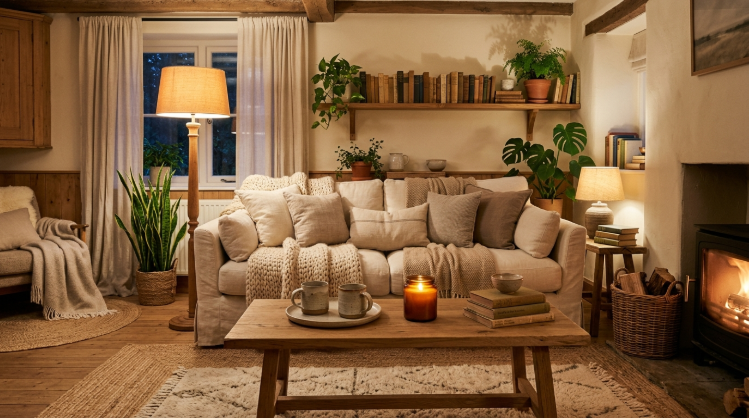

A bedroom is more than just a place to sleep. It is a personal space where people can relax, recharge, and enjoy moments of privacy after a busy day. Therefore, creating a comfortable bedroom requires more than choosing attractive furniture or decorations. A well-designed bedroom should combine functionality, aesthetics, and a relaxing atmosphere to support everyday comfort.
Interior design plays an important role in shaping the overall bedroom experience. From selecting the right color palette to arranging furniture and optimizing lighting, every element contributes to how a bedroom looks and feels. With thoughtful planning, even a simple bedroom can become a cozy and inviting space.
1. Choose Colors That Create a Relaxing Atmosphere
Color selection has a significant influence on the atmosphere of a bedroom. Soft and neutral colors such as beige, cream, light gray, and pastel tones are popular choices because they create a calm and peaceful impression.
For a more natural appearance, homeowners can combine neutral colors with warm wooden elements or subtle earth tones. Avoid using too many contrasting colors, as an overly busy visual appearance may make the room feel less relaxing.
A balanced color palette helps create a harmonious interior that supports rest and relaxation.
2. Arrange Furniture According to the Available Space
Furniture arrangement is essential for maintaining comfort and functionality. A bedroom should provide enough space for movement without making the area feel crowded.
The bed should be positioned as the main focal point, while wardrobes, bedside tables, and other furniture should be arranged according to the room’s dimensions. For smaller bedrooms, multifunctional furniture and built-in storage can help maximize available space.
A practical layout not only improves the appearance of the room but also makes daily activities easier.
3. Use Proper Lighting to Enhance Comfort
Lighting is one of the most important elements in bedroom interior design. A combination of natural and artificial lighting can create a comfortable atmosphere throughout the day.
Large windows can allow natural sunlight to enter the room, making the interior feel brighter and fresher. Meanwhile, warm artificial lighting can provide a relaxing ambiance in the evening.
Bedside lamps, wall lights, and indirect lighting are useful options for creating a softer atmosphere. Adjustable lighting also allows homeowners to adapt the brightness according to different activities.
4. Select Comfortable and Functional Furniture
The quality and design of bedroom furniture directly affect everyday comfort. A comfortable mattress, supportive pillows, and suitable bedding are essential for creating a pleasant sleeping environment.
In addition, furniture should match the size and concept of the bedroom. Simple designs with practical functions are often ideal for modern interiors. Choosing furniture with built-in storage can also help keep personal belongings organized without requiring additional space.
The key is to prioritize comfort and functionality rather than filling the room with unnecessary furniture.
5. Maximize Natural Ventilation and Air Circulation
A comfortable bedroom should have good air circulation to maintain a fresh indoor environment. Proper ventilation helps prevent the room from feeling stuffy and supports better indoor air quality.
Windows that can be opened, suitable ventilation openings, and a well-planned room layout can improve air movement. If possible, positioning windows to support cross-ventilation can help fresh air circulate more effectively.
Combining good ventilation with natural lighting creates a healthier and more pleasant bedroom environment.
6. Add Decorations and Natural Elements
Decorations can enhance the character of a bedroom, but they should be selected carefully to maintain a relaxing atmosphere. Wall artwork, decorative cushions, rugs, and curtains can add texture and personality without making the room look crowded.
Indoor plants are another great addition to bedroom interiors. Plants can bring a natural touch and make the room feel fresher. However, homeowners should choose suitable plant varieties and consider the room’s lighting and ventilation conditions.
Using natural materials such as wood, cotton, linen, and woven textures can also create a warmer and more welcoming atmosphere.
7. Keep the Bedroom Organized and Clutter-Free
An organized bedroom contributes to a more comfortable and peaceful living environment. Too many objects scattered around the room can make the space look smaller and create visual distractions.
To maintain a tidy bedroom, homeowners can use wardrobes, storage boxes, shelves, and under-bed storage solutions. Regularly organizing personal belongings also helps ensure that every item has its own place.
A clean and organized interior makes the bedroom easier to maintain while creating a more relaxing atmosphere.