Modern minimalist homes have become increasingly popular in contemporary architecture. This concept combines simple design, functional spaces, and comfortable living environments. Rather than focusing on excessive decorations, minimalist homes emphasize simplicity, clean lines, and thoughtful space planning. The result is a home that looks elegant while remaining practical for everyday activities.
A modern minimalist home is not simply about having fewer pieces of furniture or decorations. It is about creating a balanced living space where every element has a clear purpose. Through proper design and material selection, homeowners can enjoy a home that feels spacious, organized, and visually appealing.
1. Simple Design with Clean Architectural Lines
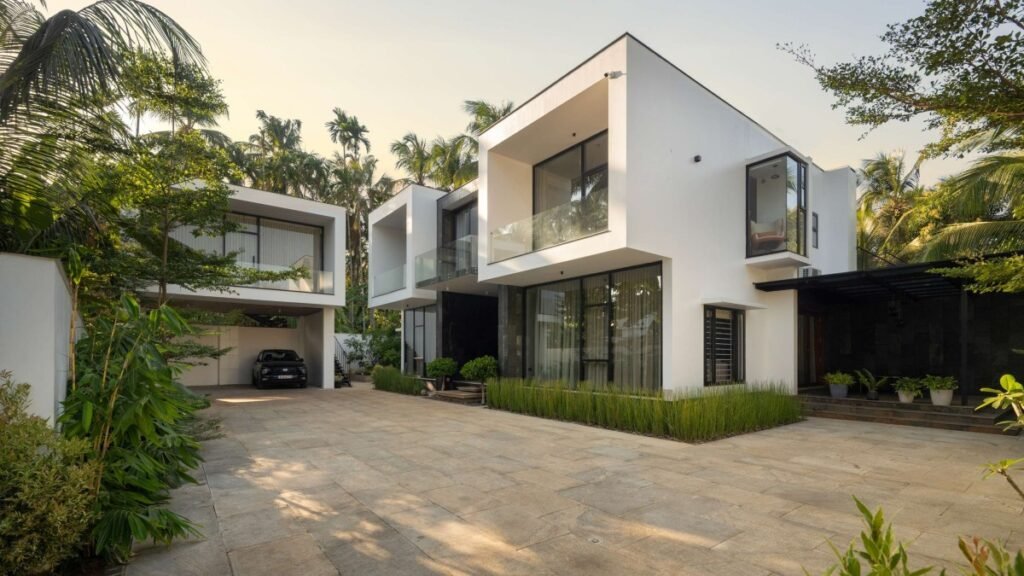
One of the main characteristics of modern minimalist homes is their simple architectural appearance. Straight lines, geometric shapes, and balanced proportions create a clean and timeless look. Building facades often use neutral colors such as white, gray, beige, and natural earth tones to achieve a calm and elegant atmosphere.
The use of simple architectural elements also helps create a consistent visual appearance. Instead of adding unnecessary details, the design focuses on the quality of materials, shapes, and overall composition.
2. Functional and Efficient Space Planning
Space planning plays an important role in minimalist home design. Every room should be arranged according to its function to ensure that the available area is used efficiently.
Open-plan layouts are commonly used to connect the living room, dining area, and kitchen. This arrangement creates a more spacious impression while allowing family members to interact more easily. Built-in cabinets and multifunctional furniture can also help maximize storage without making the interior feel crowded.
With proper planning, even homes with limited floor areas can provide comfortable and practical living spaces.
3. Natural Lighting and Good Air Circulation
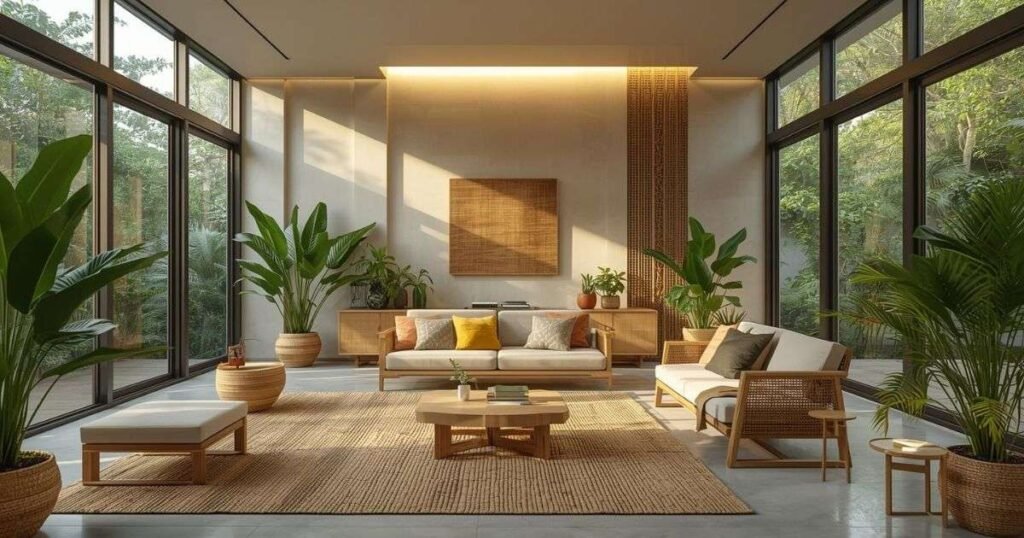
A comfortable home should provide sufficient natural light and proper air circulation. Modern minimalist architecture often incorporates large windows, glass doors, skylights, and strategically positioned openings to allow sunlight and fresh air to enter the building.
Natural lighting can make rooms feel brighter and more spacious while reducing the need for artificial lighting during the day. Meanwhile, good ventilation helps maintain indoor air quality and creates a healthier living environment.
4. Natural Materials for a Warm Atmosphere
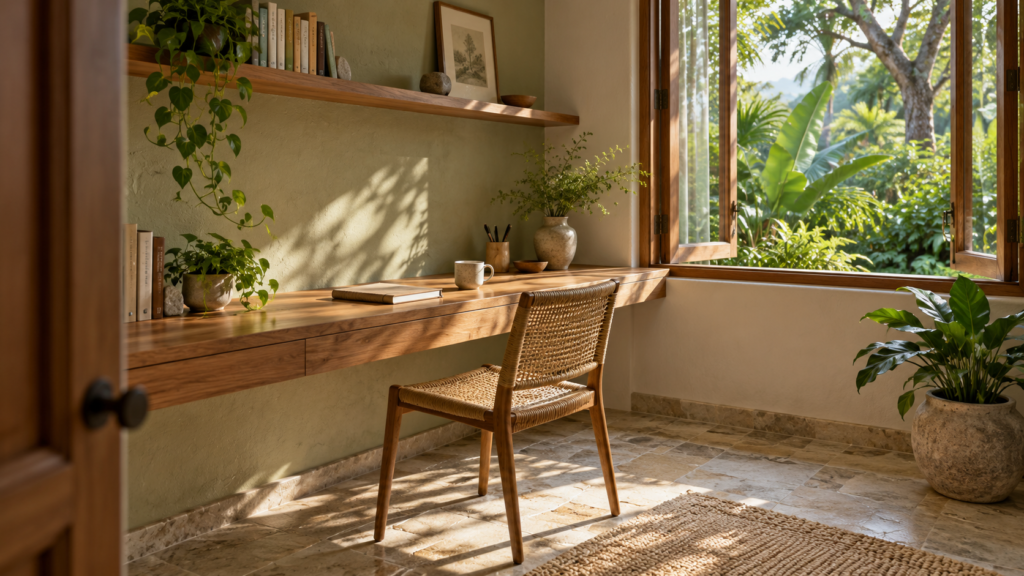
Although minimalist homes are known for their simple appearance, the use of natural materials can make the atmosphere feel warmer and more welcoming. Materials such as wood, natural stone, concrete, and glass are commonly incorporated into modern minimalist designs.
Wooden elements can add warmth to floors, ceilings, or furniture, while natural stone provides texture and character to certain areas. Combining different materials in a balanced way creates visual interest without compromising the minimalist concept.
5. Neutral Colors and Minimalist Interior Design
Color selection is another important aspect of modern minimalist homes. Neutral color palettes help create a calm and harmonious atmosphere. White, cream, beige, and soft gray are frequently used as dominant colors because they make rooms appear brighter and more spacious.
Furniture and decorations are generally selected based on their functionality and design simplicity. Instead of filling rooms with unnecessary accessories, minimalist interiors prioritize essential furniture with clean shapes and practical features.
6. Integrating Green Spaces into the Home
Green spaces can complement modern minimalist architecture by adding a natural element to the overall design. Small gardens, indoor plants, vertical gardens, and landscaped outdoor areas can create a refreshing atmosphere.
Plants not only improve the visual appeal of a home but can also contribute to a more pleasant living environment. Even in houses with limited outdoor space, placing selected ornamental plants near windows, balconies, or indoor corners can bring a touch of nature into everyday life.
7. Balancing Aesthetics and Everyday Comfort
A successful minimalist home should balance visual appeal with everyday comfort. Beautiful architecture alone is not enough if the rooms are difficult to use or do not support the occupants’ daily needs.
Therefore, furniture placement, lighting, ventilation, storage, and circulation should be carefully considered during the design process. Homeowners should also consider their lifestyle and family needs before deciding on the layout and interior concept.
By combining these elements, a modern minimalist home can become a practical living space that remains attractive and comfortable over time.